14 min read – Last update: November 20, 2026
The Dominican Republic is one of those destinations that can be surprisingly easy to misunderstand when you start planning your first trip, because international tourism tends to present the country almost entirely through Punta Cana and its all-inclusive resorts. There is nothing wrong with choosing that kind of vacation, especially if your priority is simply to relax, but spending 7 days inside a resort and actually traveling around the Dominican Republic are 2 very different experiences.
I have traveled in the Dominican Republic, and one thing I would recommend is not treating resort travel and independent travel as opposites. You can easily combine them: explore independently for several days, experience the country outside the resort areas and then finish with a few nights somewhere beautiful where you can completely relax. For many first-time visitors, I actually think this creates a much more complete trip.
This Dominican Republic Travel Guide covers the best time to visit, how many days you actually need, realistic itineraries, transportation, accommodation, resorts versus independent travel, food, budgets, cash and cards, safety, solo female travel, common scams, mistakes to avoid and all the practical information that is genuinely useful before arriving.
Hi, I’m Audrey.
I’m a professional travel consultant. Over the past 4 years, I’ve explored 50+ countries as a solo female traveler. Through my firsthand experience, local connections, and professional partnerships, I create 100% personalized trips designed around you, your interests, and your travel style, with zero stress.
My goal is simple: to turn your dream trip into reality.
Whether it’s the Dominican Republic or any other destination, click below, fill out the questionnaire and let me help you.
Entry requirements depend on your nationality, so you should always verify the rules that apply to your passport before traveling rather than assuming that another traveler’s requirements will be identical to yours. Many visitors from the United States, Canada, the United Kingdom and the European Union can enter for tourism without obtaining a traditional visa in advance, but nationality-specific rules still need to be checked before departure.
Every passenger entering or leaving the Dominican Republic must also complete the official E-Ticket, which combines immigration and customs information into a digital form. You will normally need your passport details, flight information and the address of your accommodation, so it is much easier to complete it before arriving at the airport.
Most importantly, the official E-Ticket is free. Several third-party websites charge travelers to complete a form that the Dominican government provides at no cost, so make sure you are using the official system.
For most first-time travelers who primarily want beaches, outdoor activities and comfortable weather, I would choose December through April. December through early March is particularly pleasant because temperatures are warm without the most intense summer humidity, while evenings can feel noticeably cooler.
The disadvantage is that this is also the most popular travel period. Christmas, New Year, the North American and European winter season and Easter can increase both resort demand and accommodation prices, so travelers looking for better value may prefer shoulder-season dates.
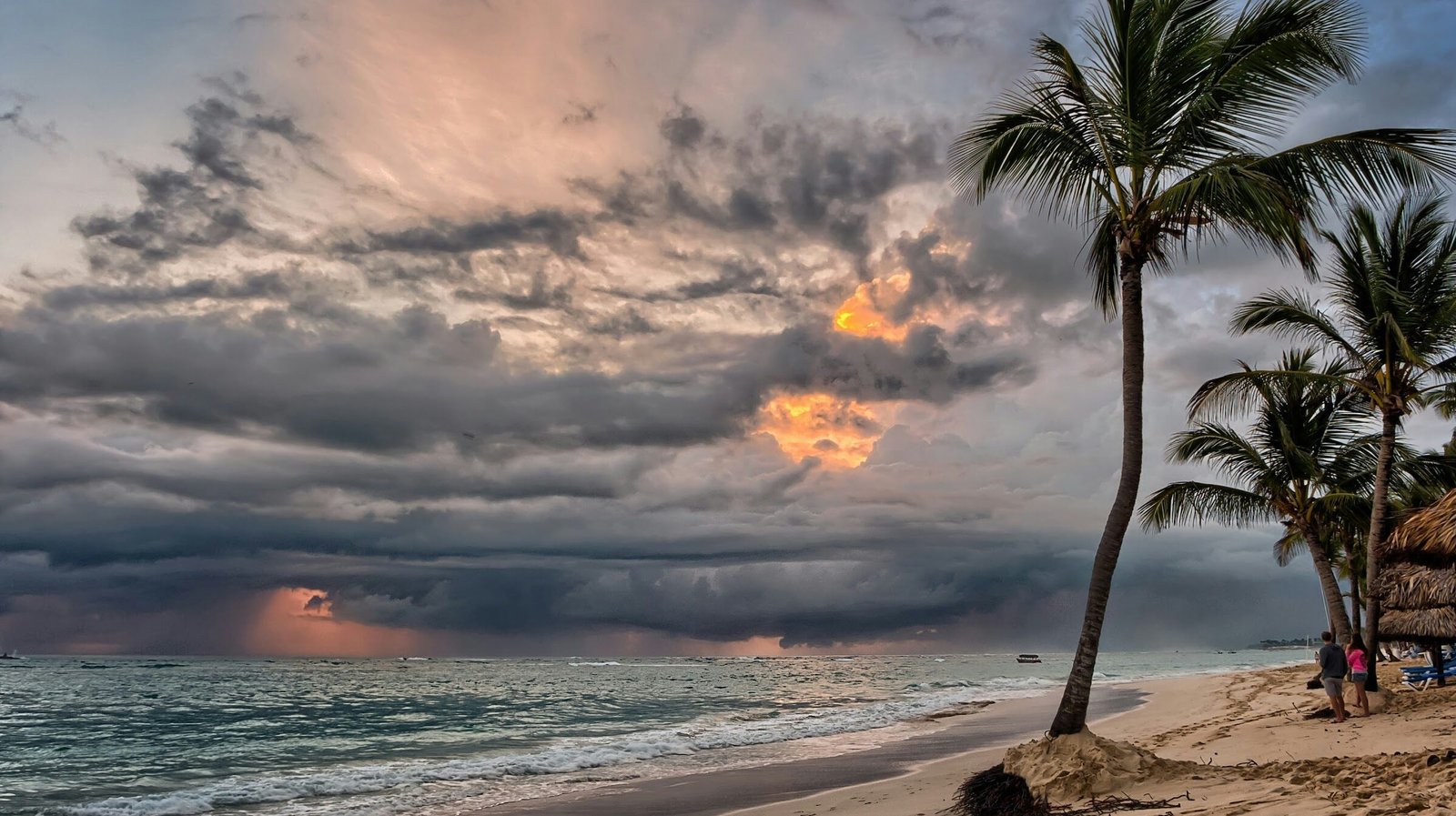
The Dominican Republic has a tropical climate, which means rain is possible throughout the year. A weather app showing rain every day does not necessarily mean you will experience 7 consecutive days of bad weather; tropical rain can be extremely heavy for a short period and then disappear.
SEASON | WEATHER | CROWDS | PRICES | BEST FOR |
December–February | Warm, relatively dry and comfortable | High | High | Beaches, sightseeing, winter escapes |
March–April | Warm and generally pleasant | Medium–High | Moderate–High | Beaches, road trips, nature |
May–August | Hotter, wetter and more humid | Medium | Often lower | Value, summer trips |
September–November | Hot, humid, hurricane season | Lower | Often lowest | Deals and flexible travelers |
This is the period I would recommend to someone who simply wants the easiest combination of beach weather, sightseeing and outdoor activities. Temperatures are comfortable, humidity is generally less intense than in summer and destinations such as Punta Cana, Bayahibe and Samaná are especially attractive.
The main disadvantage is price. If you are traveling during Christmas, New Year or Easter, book the accommodation you genuinely care about earlier rather than assuming that resort availability will remain the same until the last minute.
From late spring into summer, temperatures rise and humidity becomes much more noticeable. Rainfall also becomes more frequent, although it often arrives in relatively short tropical bursts rather than lasting all day.
For travelers who tolerate heat well, this can be a useful period because hotel rates may be lower and there are often good resort deals. I would simply keep important outdoor excursions flexible instead of scheduling every day around activities that require perfect weather.
The official Atlantic hurricane season runs from June 1 through November 30, with September historically the most active month for hurricanes affecting the Dominican Republic. That does not mean you should automatically avoid the country for 6 months of the year, nor does it mean that every tropical storm affects the entire island.
If you travel during hurricane season, I would prioritize flexible reservations and good travel insurance, especially if part of your trip involves non-refundable accommodation, domestic transfers or excursions. Start monitoring forecasts more closely as your departure date approaches, rather than worrying about a forecast made months in advance.
The Dominican Republic is also geographically large enough that conditions can differ substantially between coasts, so weather affecting one region does not automatically mean that every destination is experiencing the same conditions.
If you want the simplest answer, choose January through March for particularly comfortable weather. December and April are also excellent, while May and early summer can offer better value if you are comfortable with additional heat and occasional rain.
If whale watching in Samaná is one of the main reasons for your trip, travel between January 15 and March 30. If your priority is simply a resort vacation and you are flexible about weather, lower-season periods can provide significantly better prices.
A resort vacation can work perfectly well in 5–7 days, but if you genuinely want to travel around the country, I would recommend 10–14 days. The Dominican Republic is much larger than many first-time visitors expect, and trying to connect Punta Cana, Santo Domingo, Samaná and Puerto Plata in one rushed week creates more transportation than vacation.
TRIP LENGTH | BEST FOR | SUGGESTED ROUTE |
7 Days | Resort + small introduction | Punta Cana + Bayahibe |
10 Days | Balanced first trip | Santo Domingo → Bayahibe → Punta Cana |
14 Days | More complete first trip | Santo Domingo → Samaná / Las Terrenas → Bayahibe → Punta Cana |
3 Weeks+ | Road trip | Add Puerto Plata, Jarabacoa or the southwest |
With only 7 days, I would keep the itinerary concentrated instead of trying to cross the country. One easy option is to spend 3 nights in Bayahibe and 4 nights in Punta Cana, which gives you access to Saona Island and the calmer Caribbean coast before finishing with several completely relaxed resort or beach days.
If resorts are not your priority, another excellent option is to spend the entire week around Samaná and Las Terrenas, where you can combine beaches, waterfalls, nature and independent restaurants without changing hotels every 2 nights.
Ten days gives you considerably more flexibility, and a balanced first itinerary could look like this:
Santo Domingo — 2 nights
Bayahibe — 3 nights
Punta Cana — 5 nights
This route works particularly well for someone who wants to begin with history, restaurants and city life, continue with excursions and the clearer Caribbean water around Bayahibe, and finish the trip somewhere easy where very little planning is required.
With 2 weeks, I would consider:
Santo Domingo — 2 nights
Las Terrenas / Samaná — 4 nights
Bayahibe — 3 nights
Punta Cana — 5 nights
This already gives you several completely different versions of the country, so I would resist adding Puerto Plata simply because you still have an empty line on the itinerary. Every additional destination means packing, checking out, transferring and checking in again; technically fitting another place into the route does not necessarily make the vacation better.
The Dominican Republic is not a tiny Caribbean island where every major destination is half an hour away. Punta Cana and Puerto Plata sit on very different parts of the country; Samaná deserves several days rather than being reduced to a rushed excursion, while the southwest becomes a separate road-trip experience entirely.
Choose destinations that work together geographically and use a few strategic bases. If you spend half your holiday changing hotels, you will see more names on a map but experience considerably less of the country.

Book a one-on-one consultation with me and get personalized advice based on your needs. Let’s talk.
Punta Cana is the easiest and most developed version of Dominican tourism. It has dozens of kilometers of beaches, a huge concentration of all-inclusive properties, direct international flights, organized excursions, nightlife and infrastructure designed specifically around visitors.
If your objective is simply to relax, 4–7 days works very well. If you want to experience more of the Dominican Republic, however, I would combine Punta Cana with at least 1 other region instead of spending the entire trip inside a resort.
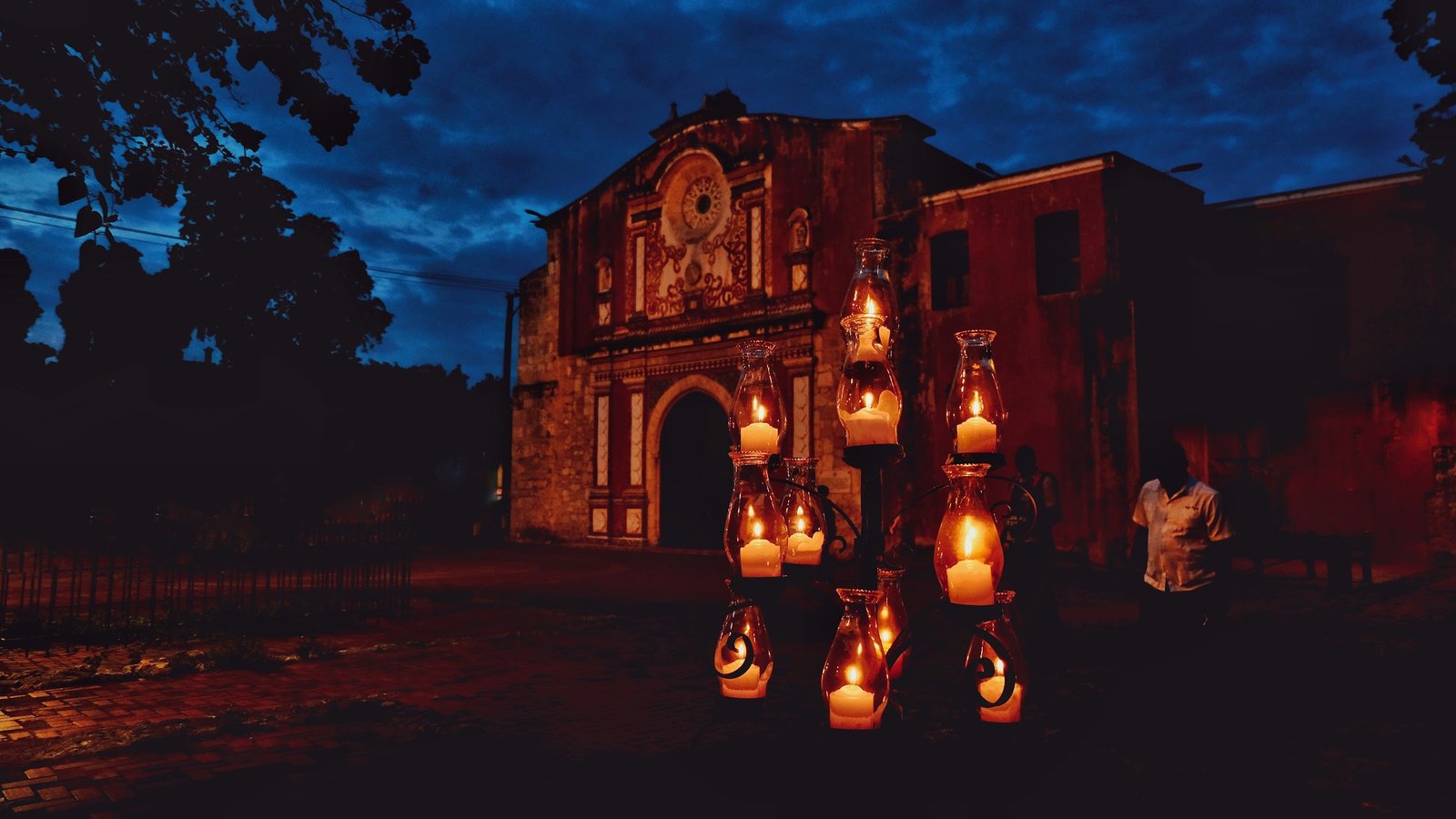
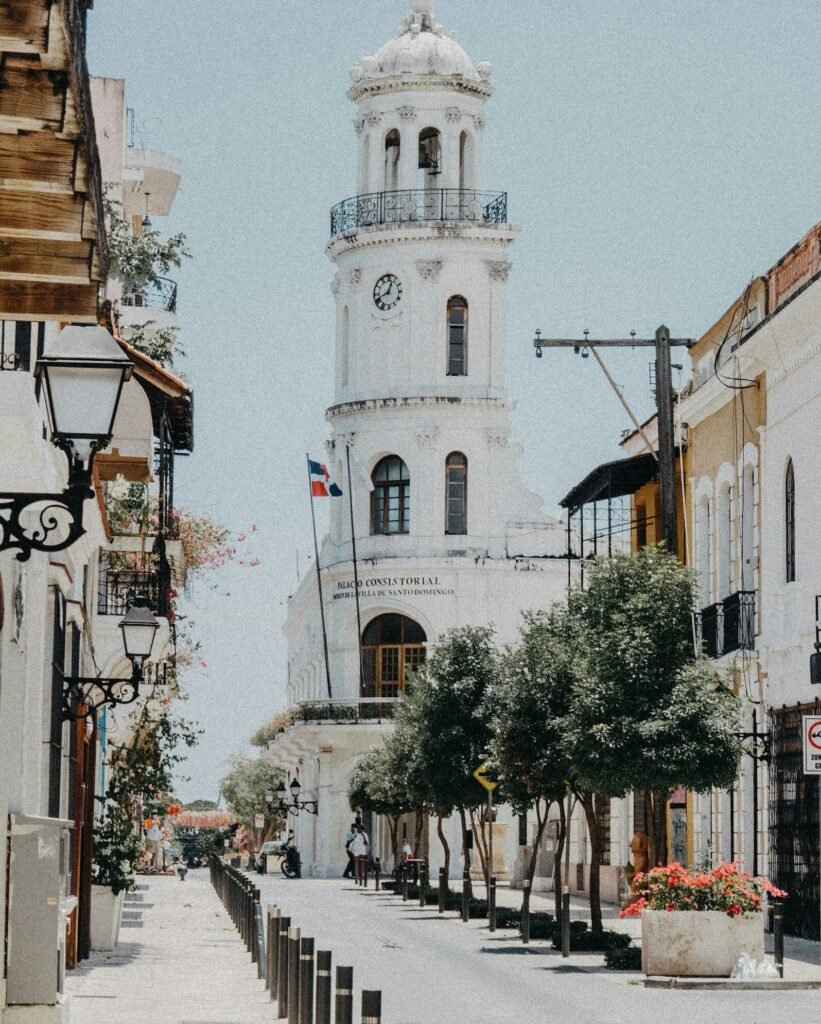
Santo Domingo deserves approximately 2–3 nights if you want history, restaurants and a glimpse of Dominican urban life. The Colonial Zone is the obvious first base because it makes sightseeing easier, but the capital itself extends far beyond the historic center.
Traffic can be intense and driving around the city is unnecessary for most visitors, so I would rely on taxis or reputable ride-hailing services rather than renting a vehicle simply to move around Santo Domingo.
Samaná is one of the regions I would prioritize for travelers who care about nature as much as beaches. The peninsula combines mountains, waterfalls, tropical landscapes, beaches and access to Los Haitises National Park, while humpback whales arrive seasonally in Samaná Bay.
I would give the region 3–5 days, especially if you want to combine whale watching, El Limón, Los Haitises and the beaches around Las Galeras or Las Terrenas.
Las Terrenas is particularly attractive for people who want a beach destination without spending every day inside an all-inclusive. It has independent hotels, apartments, restaurants, cafés, nightlife and easy access to different parts of the Samaná Peninsula.
I would stay 3–5 nights and use it as a base rather than continuously changing accommodation around the peninsula.
Bayahibe is one of the areas I would seriously consider for a first trip because it offers a much smaller and more relaxed base than Punta Cana while maintaining enough tourism infrastructure to make travel easy. It is also the principal jumping-off point for Saona Island.
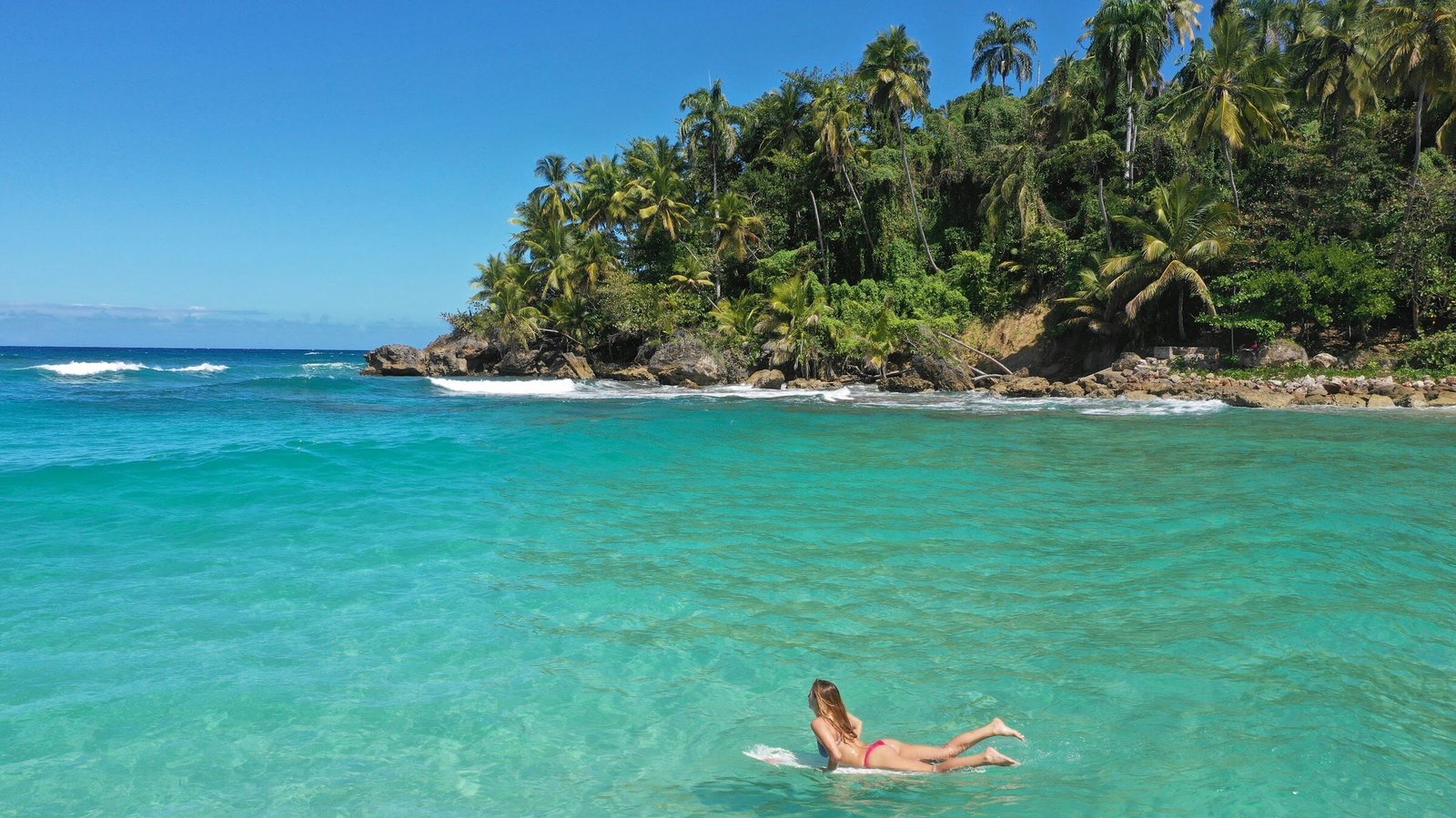
Spend around 2–4 nights, especially if snorkeling, diving, Saona or simply clearer Caribbean water are priorities.
Puerto Plata works particularly well for travelers interested in exploring the north coast rather than staying in one resort. A rental car becomes useful here because you can connect the city with Sosúa, Cabarete and other coastal areas.
I would prioritize Puerto Plata for someone interested in watersports, road trips and the north-coast atmosphere rather than adding it simply because it is another famous Dominican destination.
Jarabacoa provides a completely different landscape from the coast, with mountains, rivers, cooler temperatures and outdoor activities. It is particularly useful if you have a longer itinerary and want to break up consecutive beach destinations.
The southwest has far less tourism infrastructure than Punta Cana or Samaná, but that is part of its appeal. Barahona, Pedernales and Bahía de las Águilas suit travelers who are willing to drive longer distances in exchange for dramatic scenery and considerably less developed coastline.
I would not make this my first recommendation for someone who wants the easiest possible Caribbean holiday; for an experienced independent traveler or a road trip, however, it can become one of the most interesting parts of the country.
There is no universally better option because the answer depends on what kind of holiday you actually enjoy. An all-inclusive resort makes perfect sense if your priority is relaxation: accommodation, most meals, drinks, pools, entertainment and beach access are bundled together, which also makes the overall budget easier to predict.
Independent travel is better suited to travelers who enjoy local restaurants, changing landscapes, road trips and spending most of the day outside their accommodation. You also see a side of the country that is difficult to experience when every meal, activity and evening takes place inside a resort.
For a first trip, I often like the combination approach: travel independently first and finish with 3–5 nights at a resort. You experience the country properly before ending the trip with several days where you barely need to organize anything.
The Dominican Republic can be affordable when you use local restaurants, buses and independent accommodation, but it can also become expensive very quickly once you add high-end resorts, private transfers, organized excursions and premium restaurants.
The estimates below are realistic planning ranges per person, excluding international flights. USD conversions are approximate and can change with the exchange rate.
EXPENSE | BUDGET TRAVELER | MID-RANGE TRAVELER | LUXURY TRAVELER |
Accommodation | RD1,500–3,500(25–$59) | RD4,500–9,000(75–$151) | RD18,000+(302+) |
Food | RD1,000–1,800(17–$30) | RD2,000–4,000(34–$67) | RD6,000+(101+) |
Local Transport | RD300–800(5–$13) | RD800–2,000(13–$34) | RD3,000+(50+) |
Activities | RD600–2,000(10–$34) | RD2,000–5,000(34–$84) | RD7,000+(117+) |
Daily Total | RD3,400–8,100(57–$136) | RD9,300–20,000(156–$336) | RD34,000+(570+) |
These are planning ranges rather than fixed prices. A private Saona excursion, luxury resort, rental car or several organized tours can increase your daily budget considerably, while a traveler using local transportation and simple restaurants can spend significantly less.
A hostel or very simple guesthouse may cost approximately RD900–1,800(15–$30) per night, while budget private accommodation often falls around RD2,500–5,000(42–$84). Comfortable mid-range hotels commonly start around RD5,000–10,000(84–$168) per room, although location and season make a major difference.
All-inclusive pricing works differently because food, drinks and some activities are already incorporated into the room rate. A standard resort can easily cost RD7,000–15,000+(117–$252+) per person per night, while high-end properties can cost substantially more during peak periods.
TRIP LENGTH | BUDGET | MID-RANGE | LUXURY |
7 Days | RD28,000–50,000(470–$839) | RD60,000–105,000(1,007–$1,761) | RD210,000+(3,523+) |
10 Days | RD40,000–70,000(671–$1,174) | RD85,000–150,000(1,426–$2,516) | RD300,000+(5,033+) |
14 Days | RD55,000–100,000(923–$1,678) | RD120,000–210,000(2,013–$3,523) | RD420,000+(7,046+) |
These estimates exclude international flights and major shopping. Couples or friends traveling together may spend less per person because hotel rooms, taxis and rental-car costs can be shared.
Food can remain inexpensive when you eat in local restaurants rather than tourist-oriented establishments. A simple Dominican breakfast may cost approximately RD250–500(4–$8), while a local lunch in a comedor can fall around RD300–700(5–$12).
A casual restaurant meal may cost approximately RD600–1,200(10–$20), while a comfortable tourist-oriented dinner can easily reach RD1,500–3,000+(25–$50+) per person before drinks.
Inside resorts, food may already be included in the room rate, which makes direct comparisons difficult. This is one reason you should compare total daily cost rather than looking only at the room price.
La Bandera is the classic Dominican lunch and usually combines white rice, beans and stewed meat, often accompanied by salad or plantain. It is straightforward, filling and much closer to everyday Dominican eating than the international selection offered at most resort buffets.
Sancocho is one of the country’s most iconic dishes: a rich stew containing meat, root vegetables and other ingredients that vary from family to family. It is especially associated with gatherings and occasions when people are cooking for a group.
Mangú is made from mashed green plantains and is one of the breakfasts I would specifically look for. When it is served with fried cheese, Dominican salami and eggs, the combination is commonly known as Los Tres Golpes.
Mofongo is based on fried green plantain mashed with garlic and other ingredients, often combined with pork crackling, chicken or seafood. It is substantial, so I would treat it as an actual meal rather than ordering it as a casual side dish.
On the coast, fresh fried fish with tostones can be one of the simplest and best meals you eat. Look for places with good turnover and local customers instead of assuming that a polished hotel restaurant automatically serves better seafood.
Look for comedores, which are simple establishments serving Dominican dishes and daily lunches. A place filled with local workers around lunchtime, offering rice, beans, meat, vegetables and a relatively short menu, can be a much better introduction to Dominican food than a restaurant designed almost entirely around international tourists.
Do not judge restaurants only by décor, and do not assume that a simple dining room indicates bad food. Some of the most satisfying Dominican meals are inexpensive and extremely straightforward.
If you stay at an all-inclusive resort, I would deliberately leave the property for at least 1 local meal when the surrounding area makes that practical. Resort food may be convenient, but it should not become the only version of Dominican cuisine you experience.
Explore my digital travel guides, packed with itineraries, local restaurants and cafés, hidden gems, practical tips, and everything you never even thought you’d need.
Transportation requires more planning than it does in countries with extensive rail networks, but moving between the main destinations is completely manageable once you understand the available options.
Large intercity buses are one of the most useful and underrated transportation options. Caribe Tours serves Santo Domingo, Santiago, Puerto Plata, Samaná, Jarabacoa, Barahona and numerous other destinations, while Metro Toursoperates several important routes and Expreso Bávaro connects Santo Domingo with the Bávaro/Punta Cana area.
Coach fares can be dramatically cheaper than private transfers, and the main companies use modern air-conditioned buses. Bring a sweater or light jacket because the air-conditioning can be surprisingly strong.
Guaguas are smaller buses or minibuses used extensively by Dominicans. They are inexpensive and useful for both urban and regional transportation, but routes can be less intuitive for someone visiting for the first time.
I would use them when the route is simple and I am traveling light; I would not choose a crowded guagua with 2 large suitcases simply because it is cheaper than a taxi. Traveling locally does not mean deliberately making every journey inconvenient.
Taxis are available throughout tourist areas and major cities, while app-based services are useful in several urban areas. When a taxi fare is not already established through an app, confirm the price before starting the journey so there is no confusion when you arrive.
For evening transportation in Santo Domingo or another large city, I would generally prefer an arranged taxi or reputable ride-hailing option rather than walking an unfamiliar route simply to save a small amount of money.
Private transfers are significantly more expensive than buses, but they make sense for airport arrivals, groups, travelers with substantial luggage or routes requiring several inconvenient connections.
If 3 or 4 people are splitting the vehicle, always compare the per-person cost against several separate bus and taxi journeys before assuming that private transportation is automatically unaffordable.
For Santo Domingo itself, I would not rent one. Traffic is intense, parking can be frustrating and taxis are normally easier.
A car becomes far more useful in Samaná, the north coast and the southwest, where independent transportation allows you to explore beaches and smaller destinations without organizing a transfer every time you move.
Driving requires confidence and defensive habits because motorcycles, pedestrians and unpredictable road behavior are common. The most important practical rule is to avoid long-distance driving after dark, when road lighting can be poor and motorcycles, pedestrians, animals or other obstacles become significantly harder to see.
Bávaro offers the largest concentration of resorts, restaurants and tourist infrastructure, while Cap Cana is more polished and upscale. If you choose an all-inclusive, look at the exact beach and resort location rather than assuming that every hotel advertised as “Punta Cana” sits in the same area.
For a first visit, the Zona Colonial is the most convenient area if sightseeing and historic atmosphere are your priorities. Travelers who want a more modern residential environment can also look at central areas such as Piantini, although transportation becomes more important.
Staying reasonably close to the center and beach makes it much easier to walk to restaurants and cafés instead of needing transportation every evening. If quiet is a major priority, move slightly away from the busiest central streets without choosing accommodation so remote that every meal requires a taxi.
Bayahibe village suits travelers who want restaurants and a smaller-town atmosphere, while nearby Dominicus has a larger concentration of resorts and beach accommodation. Decide according to whether you want independent dining and movement or a more self-contained resort experience.
Choose your location according to your priorities. Central Puerto Plata makes urban sightseeing easier, while areas along the broader north coast work better if beaches and watersports matter more.
Credit and debit cards are widely accepted at resorts, established hotels, supermarkets, larger restaurants and many tourist businesses; however, I would still carry Dominican pesos because smaller restaurants, beach businesses, local transportation, tips and informal purchases may require cash.
ATMs are widely available in the major tourism areas and cities. When possible, use machines inside banks, supermarkets, malls or other secure locations rather than isolated street ATMs, and make withdrawals during the day.
US dollars and euros can be exchanged easily, while US dollars are also accepted directly in many tourism-oriented businesses. That convenience does not automatically mean paying in dollars gives you the best exchange rate, so ordinary local spending is usually simpler in Dominican pesos.
You do not need to walk around with your entire travel budget in cash. For an ordinary day, approximately RD2,000–5,000(34–$84) gives you a comfortable buffer for smaller restaurants, taxis, tips, local transportation and cash-only purchases.
Keep larger amounts securely at your accommodation, use cards for bigger transactions when appropriate and withdraw more when needed.
When paying by card or withdrawing cash, choose the transaction in Dominican pesos rather than accepting an unnecessary conversion into dollars, euros or your home currency when the machine offers that option.
Restaurant bills normally include both taxes and a service charge, so look at the receipt before automatically adding another large percentage. Additional tipping is still common when service has been particularly good, but you do not need to treat every transaction exactly as you would in the United States.
Small tips are particularly useful for hotel staff, guides and resort employees who have assisted you personally. Taxi drivers are not automatically tipped in the same way, although rounding up or adding something for exceptional service is perfectly normal.
Wi-Fi is widely available in resorts, hotels, cafés and many restaurants, but a local data connection makes independent travel much easier, particularly if you are driving or using ride-hailing apps.
Travelers with an unlocked phone can purchase a local SIM from operators such as Claro or Altice using passport identification. An eSIM can be even easier if your phone supports one and you prefer to arrive with internet access already activated.
The Dominican Republic uses 110 V electricity, similar to the United States and Canada. Travelers coming from Europe should bring the appropriate plug adapter and check whether individual devices support 110–240 V before connecting them.
Most modern phone and laptop chargers already support a broad voltage range, but hair tools and other higher-powered appliances are where travelers most commonly encounter problems.
I would not drink tap water in the Dominican Republic.
Use bottled or properly purified water for drinking, and resorts normally provide safe drinking water for guests. If you have a particularly sensitive stomach, using bottled water when brushing your teeth is also an easy precaution.
The Dominican Republic receives millions of international visitors, and the major tourism regions have extensive infrastructure and dedicated tourism security; nevertheless, normal precautions matter, particularly outside resorts and in large cities.
I would avoid displaying expensive jewelry, carrying my phone loosely near the road or walking alone through unfamiliar, poorly lit streets late at night. Keep the amount of cash you carry limited, use secure transportation after dark and store your passport and larger valuables in your accommodation rather than carrying everything with you.
Safety conditions can change considerably between neighborhoods, which is why I prefer practical advice over describing an entire city as “safe” or “unsafe.” A busy tourism district at 8 PM and an isolated residential street several hours later are completely different situations.
The general emergency number is 911, and travelers can also seek assistance from the country’s specialized tourist security service.
Women can absolutely travel independently in the Dominican Republic, but I would use more situational awareness than in destinations where petty crime and street harassment are particularly uncommon.
For a first solo trip, destinations with established tourism infrastructure such as Las Terrenas, Bayahibe and the main Punta Cana areas can make logistics considerably easier. The important point is not to remain inside a resort because you are a woman; it is to organize transportation sensibly and understand your surroundings.
At night, I would arrange transportation instead of walking long distances alone through places I do not know. If you go out drinking, keep control of your own drinks, do not leave them unattended and avoid going somewhere isolated with someone you have just met.
Dating apps require exactly the same common sense you would use elsewhere: meet in a public place, arrange your own transportation and do not allow another person to determine how you get back to your accommodation.
The Dominican E-Ticket is free, so you do not need to pay a company simply to submit the form on your behalf. Check that you are using the official government system before entering passport or payment information.
When a fare is not fixed through an app, clarify the amount before starting the trip. A 20-second conversation at the beginning is considerably easier than arguing about the price after arriving.
In highly touristic areas, prices may sometimes be discussed in both Dominican pesos and US dollars; because the numerical difference between the currencies is enormous, always confirm which currency is being quoted before accepting a price.
Punta Cana and other tourism centers have countless vendors selling Saona, catamaran, buggy and adventure excursions. Compare group size, transportation, food, drinks, actual activity time and cancellation conditions rather than choosing solely according to the headline price.
Vendors can occasionally be persistent, particularly on popular beaches. If you are not interested, decline clearly and continue your day; you do not need to enter a long negotiation simply because somebody started speaking to you.
Dominicans are generally sociable and expressive, and communication may feel warmer or more familiar than visitors from northern Europe are accustomed to. Terms that sound affectionate do not necessarily indicate romantic interest, so interpret interactions within the local cultural context rather than through the standards of your home country.
Spanish is the official language. English is widely spoken in the major resort areas, but even basic Spanish becomes extremely useful once you start using local restaurants, buses or smaller independent accommodation.
Dress casually in beach destinations, but remember that swimwear belongs on the beach or around the pool rather than inside supermarkets, churches or ordinary city restaurants. You do not need formal clothes for normal travel; you simply need to distinguish between a beach environment and everyday public spaces.
Punta Cana is a highly developed tourism region, but it represents only one version of the Dominican Republic. If you have enough time, combine it with another area.
If you normally spend every vacation looking for local restaurants and changing locations, 10 consecutive days inside one resort may not suddenly transform your personality. Choose accommodation that matches the way you genuinely enjoy traveling.
Fewer bases create a much more enjoyable trip. Santo Domingo, Samaná, Puerto Plata, Bayahibe and Punta Cana do not need to appear in the same 7-day itinerary.
Road lighting can be poor, and motorcycles, pedestrians or other obstacles may be difficult to see. Plan road trips during daylight whenever possible.
Travel between June and November is completely possible, but flexible reservations and appropriate insurance become more important.
US dollars are convenient in tourist areas, but Dominican pesos usually make more sense for ordinary local transactions.
Intercity coaches can save a substantial amount of money and connect many of the country’s main destinations.
A buffet can be convenient, but it should not become your entire experience of Dominican food. Leave the property and try a local comedor when practical.
Punta Cana, Bayahibe, Las Terrenas and Puerto Plata produce completely different vacations, even though all of them appear under the same “Dominican Republic beach holiday” label.
Cards are widely useful, but local transportation, small restaurants, tips and beach businesses can still require Dominican pesos.
Use bottled or properly purified water rather than assuming that hotel tap water is safe because the accommodation itself looks modern.
You are traveling to a tropical island; leaving an afternoon completely free to sit by the sea is not wasted time. A trip does not become better simply because every hour has an activity attached to it.
BEFORE YOUR TRIP | WHAT TO DO |
Passport | Check validity and current entry requirements |
Visa | Verify requirements for your specific nationality |
E-Ticket | Complete the official free arrival/departure form |
Insurance | Make sure weather disruption and medical care are adequately covered |
Hurricane Season | Monitor forecasts if traveling June–November |
Money | Bring cards and arrange access to Dominican pesos |
Cash | Keep smaller notes for taxis, tips and local purchases |
Transportation | Compare buses, rental car and private transfers before booking |
Driving | Schedule long road journeys during daylight |
Hotels | Decide whether independent accommodation, resort or a combination suits you |
Samaná | Check whale season if this is important to your itinerary |
Excursions | Compare operators and inclusions before paying |
Internet | Arrange roaming, a local SIM or an eSIM |
Electricity | Bring an adapter if your plugs are not compatible with 110 V outlets |
Water | Plan to use bottled or purified drinking water |
Medication | Carry essential prescription medicine in original packaging |
Emergency Info | Save 911 and tourist-security contact information |
There is no single correct Dominican Republic itinerary, because the country can create completely different trips depending on what you prioritize. You can spend a week in a Punta Cana all-inclusive and barely think about logistics; you can rent a car and explore Samaná; you can combine the Colonial Zone in Santo Domingo with Bayahibe; or you can build a road trip around mountains, the north coast and places that most resort visitors never see.
For many first-time travelers, I particularly like combining independent travel with several resort nights at the end. Explore first, relax second; that gives you enough contact with the country to understand where you are while still enjoying the effortless beach vacation that the Dominican Republic does exceptionally well.
Do not add destinations simply because somebody online says that you “cannot visit the Dominican Republic without seeing them.” Decide whether you actually care most about beaches, resorts, diving, history, whales, nightlife, waterfalls or road-trip freedom, and then build the itinerary around those priorities.
The best trip is not the one with the largest number of pins on Google Maps; it is the one where the places you choose actually make sense together and you have enough time to enjoy them.
Click below, fill out the questionnaire, and I’ll bring your dream trip to life, 100% personalized around you.

Want to discover more about K-SOUL Travel and how I can help you? I’m a Professional Travel Consultant, and I can personally design your entire trip from scratch, creating a fully customized itinerary based on your destination, budget, travel style, and specific needs — including honeymoons, special occasions, solo female travel, and Muslim & Halal-friendly trips. You can also book a private consultation with me, join one of the group trips I personally host, or explore 50+ PDF travel guides. If you found this article helpful and want to support my work, discover K-SOUL Travel — I’d love to help you create your next adventure.
All the Dominican Republic travel guides →
Want a trip designed entirely around you? Design your trip with K-SOUL →